Plinko Casino Australia: Games, Payments and Rules
 Available in AU

Table of Contents
- What Plinko Means in a Casino Game
- Plinko Slots and the Details Worth Checking
- Online Plinko Searches and Australia’s Legal Context
- Real-Money Play: Withdrawal Checks and Wagering
- How to Read a Plinko Casino Review Carefully
- Free Play: What It Can and Cannot Tell You
- Crypto Payments and the Amount You May Receive
- Bonus Terms: Turnover Before a Withdrawal
- Plinko Searches, Offshore Sites and ACMA Enforcement
Plinko is a broad game label, so rules, outcomes, payment terms and legal context need checking separately.
What Plinko Means in a Casino Game
“Plinko” is used as a name for casino-style games, but the name alone does not identify one standard game with fixed rules. A Plinko-style game generally takes its visual cue from a ball moving through a field of obstacles. Beyond that broad idea, the label is not enough to tell you what a particular version looks like, how a round works or what determines its result.
That distinction matters because “Plinko casino game” can refer to a specific product, a general style, or simply a title that uses the word. Two games carrying the same name might not share the same layout, controls or outcome system. Nor does a familiar-looking screen establish that the underlying game behaves like a physical Plinko board. The title and artwork are clues to a theme, not a complete description of the game.
The phrase can also be confused with a wider range of casino games that use “Plinko” in a product name or promotional description. A search result, catalogue label or third-party page may group products together even when they are not the same game. Conversely, a game might have a Plinko-like presentation without using the name prominently. Treat each named product as its own thing rather than assuming that all Plinko games follow one rule set.
When choosing a casino for Plinko in Australia, you should check the available practical details rather than rely on the game name alone. These verdicts highlight the information provided for each operator.
1. Ricky Casino
Payout speed: crypto under 1 hour, PayID 1-3 business days · Min. deposit: A$20 (A$30 to qualify for the bonus) You can withdraw using crypto in under an hour, while PayID payouts take 1–3 business days. The minimum deposit is A$20, or A$30 to qualify for the bonus.
2. Roby Casino
License: Curacao eGaming (Roby Games Ltd) You can note that Roby Casino is licensed by Curacao eGaming under Roby Games Ltd.
3. Kingmaker
Payout speed: crypto ~90 minutes, fiat 1-5 days · Min. deposit: A$30 You can expect crypto payouts in about 90 minutes and fiat payouts in 1–5 days. The minimum deposit is A$30.
4. JustCasino
License: Curacao Gaming Control Board You can note that JustCasino is licensed by the Curacao Gaming Control Board.
5. Lucky Dreams
License: Curacao · Min. deposit: A$20 (POLi) You can make a minimum deposit of A$20 using POLi. Lucky Dreams is also identified as licensed in Curacao.
6. SpinsUp
License: Curacao Gaming Control Board OGL/2023/174/0082 (Dama N.V.) You can identify SpinsUp by its Curacao Gaming Control Board licence, OGL/2023/174/0082, held by Dama N.V.
7. Vegaz Casino
License: Curacao OGL/2024/1335/0780 · Min. deposit: EUR 20 You can note Vegaz Casino’s Curacao licence, OGL/2024/1335/0780, and its minimum deposit of EUR 20.
8. Wild Tokyo
License: Curacao · Payout speed: crypto 30-60 minutes, fiat 1-5 days · Min. deposit: A$10 You can withdraw using crypto in 30–60 minutes or fiat in 1–5 days. The minimum deposit is A$10, and the casino is identified as licensed in Curacao.
9. 7Bit Casino
License: Curacao, operated by Dama N.V. You can note that 7Bit Casino is licensed in Curacao and operated by Dama N.V.
10. GoldenCrown
License: Curacao Gaming Control Board OGL/2023/176/0095 (Hollycorn N.V.) You can identify GoldenCrown by its Curacao Gaming Control Board licence, OGL/2023/176/0095, held by Hollycorn N.V.
A useful first step is to separate three questions: what the game is called, what its screen presents, and what its actual rules say. The name may suggest a ball-and-board format; the screen may show a particular arrangement; the rules explain how a round is started and how its result is calculated. You cannot reliably answer the last question from the first two alone. If the rules are unclear or unavailable, the label does not fill in the gaps.
This also helps distinguish a casino game from the familiar physical pastime that inspired its look. A digital presentation may borrow the visual idea while using its own software-defined process. Seeing a ball animation does not, by itself, explain whether the path determines the result, whether the display represents an outcome already selected, or how any result is assigned. Those details depend on the individual game’s stated rules; they should not be inferred from animation or theme.
The same caution applies when a game is described as “Plinko” alongside other casino categories. That wording might identify a style rather than a separate category with consistent properties. It does not tell you whether the game is a slot, a table game, or something else. The format, controls and rules must be identified from the specific product information, not guessed from the word in its title.
If you are trying to understand a particular game, look for its exact product name and read the rules attached to that product. Pay attention to the description of a round and the way results are determined. If a page offers only a title, image or short slogan, it may not provide enough information to establish how the game works. Avoid treating a demonstration, animation or familiar design as proof of specific rules.
Lightning Link Online Pokies in Australia: Access
The term “Plinko” is therefore best understood as a broad label for a style or theme, not a guarantee of a single casino format. That is a modest distinction, but an important one: it keeps a familiar name from standing in for details that only the individual game can provide. Anyone considering gambling should be at least eighteen, and should remember that gambling can cause serious harm, particularly for people who are vulnerable.
Plinko Slots and the Details Worth Checking
A Plinko-themed slot is not necessarily the same product as a standalone Plinko-style casino game. The word “slot” signals that a game is being presented as a pokies format, but the label alone does not establish how it works, what its rules are, or whether it has features associated with a particular Plinko game. A title or promotional description is not enough to confirm those details.
That distinction matters when you are trying to understand what a listing actually refers to. A page may use Plinko imagery or language while describing a slot-machine version; another may use the same theme for a different kind of game. Treat the format as something to verify from the game’s own information, rather than inferring it from the name. No particular title should be assumed to have a specific design or feature simply because it is described as Plinko.
Do
- Verify the format from the game’s own information
- Treat each named product as its own thing
Don’t
- Infer rules from the game’s name or imagery
- Assume a title has a specific design because it is described as Plinko
What an RTP figure tells you
Return to player, or RTP, is a theoretical measure expressed as a percentage. It describes the proportion of stakes a game is designed to return over a very large number of plays, rather than predicting what one person will receive in a particular session. It does not tell you whether a particular play will win, how often a win will occur, or how much an individual result will be.
The distinction between a provider-level range and a game-specific figure is important. KA Gaming slot RTP percentages typically fall between 94% and 96%. That is a range associated with the provider’s slots; it is not a confirmed RTP for every KA Gaming title, a Plinko-themed slot, or any individual play. Applying the range to a game without a matching title-specific statement would turn a broad provider detail into a claim it does not support.
If a listing gives an RTP, check what the percentage is attached to. Is it clearly attributed to the named game, or is it a general statement about a provider? Is the figure shown in the game information, or only in a page description? If the wording does not identify the game and the applicable version, do not treat the number as a reliable description of the specific slot.
Read the percentage in context
An RTP percentage can look precise while leaving important questions unanswered. The figure does not, by itself, describe volatility, the pattern of wins, or how outcomes may feel over a short period. Nor does it function as a personal forecast. A game with a stated return figure can still produce results that differ substantially for an individual player.
Mines Casino Game in Australia: Access and Terms
Compare like with like. A provider-wide percentage range should not be placed beside a title-specific figure as if both refer to the same thing. If two pages give different numbers for a game, first check whether they identify the same title and version and whether either page explains where its figure comes from. If that information is unclear, the difference cannot be resolved by choosing whichever percentage looks more attractive.
The same caution applies to claims that a slot is “top” or especially favourable. Those are evaluative descriptions, not measurable return information. Without clear evidence about the exact game and the basis for the claim, such wording does not tell you what to expect. A polished page, familiar terminology, or confident tone does not make a percentage more dependable.
Keep the label separate from the evidence
Names that combine Plinko language with slot terminology may make the format sound self-explanatory. It is still worth separating three things: the game’s name, its stated type, and its published information. The name may be designed to suggest a theme; it is not evidence of particular rules. The type may identify it as a slot, but it does not establish a specific RTP. A displayed percentage is useful only when it is clearly tied to the game being described.
For a careful assessment, look for a title-specific explanation of the format and a clearly attributed RTP, then note whether the information describes a particular game or a provider’s wider catalogue. If the page blurs those distinctions, its claims should be treated cautiously rather than filled in by assumption.
Attention A provider-level RTP range is not a confirmed figure for every individual title or Plinko-themed slot.
A “demo” label also needs to be read narrowly: it describes how a version is presented, not whether the slot’s return information has been independently established or whether it matches another version. Do not infer a real-money game’s properties from a label alone. The useful question is whether the information is specific and attributable, not whether the page uses familiar Plinko language.
These checks do not require you to decide that every description is wrong. They help you avoid turning a broad statement into a precise claim about a game. For Plinko-themed slots, the safest reading is a literal one: accept only what the listing clearly identifies, keep provider-level RTP information separate from game-level figures, and do not treat any percentage as a promise about your results.
Online Plinko Searches and Australia’s Legal Context
Words such as “online” and “live casino” describe how a service is presented, not whether it may lawfully provide casino gambling to people in Australia. A page featuring Plinko, or a result that labels it an online casino game, does not establish that Australians can use the service legally. The relevant issue is the nature of the service and who it is offered to—not the wording on a page or in a search result.
Australia’s Interactive Gambling Act 2001 restricts the provision of online casino services to people physically located in Australia. Real-money online casino games, including casino-style games presented under different names, are prohibited services when offered to customers here. Calling a game Plinko, describing it as a pokies-style product, or placing it under a “live” heading does not change that legal context.
Live Baccarat Online Casino Australia: Access and Rules
This distinction matters because search results can make availability look like a simple matter of access. A page may load, display an account prompt or describe a game as available online. None of those signs confirms that the service is lawful for Australians. Nor does the word “live” establish that the service has a particular format or that it is permitted to operate here. Labels are not a substitute for considering the service being offered and the law that applies to its Australian audience.
Some offshore online casinos accept Australian payments while operating under licences issued outside Australia. That combination can be confusing: a payment option that appears familiar, or a site that accepts an Australian customer’s details, can make the service seem locally authorised. It does not. An offshore licence is not an Australian authorisation to provide prohibited online casino services to people in Australia, and payment acceptance does not change the legal status of the offer.
The same care applies when a site uses broad descriptions such as “Plinko casino” or presents a Plinko-style game alongside other casino products. A game’s name does not determine whether the surrounding service falls within the restrictions. The relevant question is whether an operator is providing an online casino service to people in Australia. Rebranding a casino-style product, or presenting it as one component of a wider entertainment site, does not by itself take the service outside the law.
Legal Warning
Under the Interactive Gambling Act 2001, providing real-money online casino services to people in Australia is prohibited.
It is also important to separate the operator’s legal position from the player’s. The restrictions address the provision of online casino services; players are not criminalised for using offshore sites. That does not make an offshore service lawful for operators to offer in Australia, or make it a locally regulated service. These are different points, and confusing them can lead to false reassurance. The absence of criminal liability for a player should not be read as approval, protection, or a guarantee about the service.
A “live casino” label may sound more official or supervised than a generic online listing, but the label alone establishes none of those things. Likewise, a site’s use of familiar Australian payment methods does not show that it is operating under Australian gambling rules. Read such descriptions as claims made by the service, not as proof of legality or local availability.
If you are assessing a page that advertises Plinko to Australians, focus on what it is offering and to whom. Look beyond the game title, promotional wording, or the fact that the page is accessible. In Australia, online casino services cannot lawfully be provided to people here simply because the operator is based offshore, holds an overseas licence, or makes the service available through a website. A search result can point to a page; it cannot turn an offshore offer into an authorised Australian service.
Real-Money Play: Withdrawal Checks and Wagering
A real-money balance shown on a Plinko-style casino page is not necessarily an amount you can withdraw. The displayed figure may include bonus credit, winnings subject to conditions, or funds that have not yet passed identity and payment checks. Before treating any balance as available cash, separate your own deposited funds from bonus-derived amounts and read the withdrawal terms attached to each.
High-volatility slots in Australia: payout guide
For people in Australia, this is a financial-risk discussion, not a recommendation to open an account. The Interactive Gambling Act 2001 prohibits operators from providing real-money online casino games to people in Australia. A site accepting Australian payments does not make its service lawful to provide here. The practical points below can help you understand claims and terms, but they are not a reason to deposit or play.
Bonus credit is not cash
A no-deposit offer can sound as though it provides money without a payment, but credit displayed in an account is not automatically withdrawable. Bonus funds are not cash. An operator may require qualifying bets before bonus-derived winnings can be released, and terms may also restrict which games or transactions count.
A specialist review has reported bonus wagering terms in the range of 30–50 times the bonus amount. That is a reported description of terms, not a rule that applies to every offer or a reliable guide to what any particular account will require. The operator’s written conditions determine how a specific offer is treated. Check whether wagering applies to the bonus, the winnings, or both; which games contribute; and what happens if you withdraw before completing the requirement.
The distinction matters even where an offer is labelled “free” or “no deposit”. A balance can be visible while still being locked behind conditions, and a failed condition may cancel bonus-derived funds. Do not count promotional credit as part of your available budget or as money you can rely on receiving.
Bonus funds are not cash and may require qualifying bets before any derived winnings can be released.
Withdrawal thresholds and verification
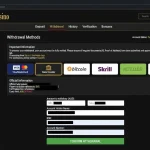
Some offshore sites set a minimum withdrawal amount, commonly reported at A$75–A$150. If a balance falls below the stated threshold, it may not be eligible for withdrawal yet. A threshold is only one condition: it does not confirm that a payment will be approved, that the full balance is withdrawable, or that the service is lawful to offer in Australia.
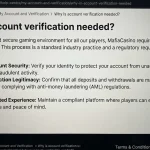
First cashouts commonly involve KYC checks. You may be asked for identity documents such as a passport or driver’s licence, as well as a utility bill. The name and details on documents may need to match the account and payment information. If you are considering what a site claims, read its verification requirements before relying on a displayed balance. A request for documents can delay access to funds, and a mismatch or incomplete submission may create further problems.
Also check whether the terms reserve the right to review account activity before a payment. Look for the minimum cashout, any fees, the payment method allowed for withdrawals, and whether bonus conditions must be completed first. These are separate checks: passing identity verification does not necessarily clear wagering conditions, and meeting a wagering condition does not necessarily complete KYC.
No-deposit offers and real-money claims
A “no-deposit” label does not establish that an offer has no strings attached. It may still come with wagering rules, withdrawal limits, identity checks, or other eligibility conditions. If the terms are unclear, contradictory, or difficult to find, you cannot safely estimate what—if anything—you could withdraw.
Video Slots in Australia: Mobile Play and RTP
Be cautious about promotional language that presents a balance as a payout or treats a potential withdrawal as assured. The amount shown on screen, the amount eligible for cashout, and the amount ultimately received can differ. Do not borrow, use money needed for bills, or keep depositing in an attempt to unlock a bonus or recover losses. Gambling can cause serious harm, particularly for people already under financial or personal strain.
For anyone under 18, gambling is not appropriate. If real-money gambling is affecting your wellbeing or finances, pause and seek support rather than trying to solve the problem through further play. A claim about quick withdrawals or easy bonus money cannot remove the underlying financial risk.
How to Read a Plinko Casino Review Carefully
A review can sound confident without showing how its claims were checked. When assessing a Plinko casino review, separate descriptions of a game from claims about a particular product, site or offer. A name such as Plinko Rush, Plinko Verde or Plinko Deluxe does not, by itself, establish who made the game, what it contains or whether the reviewer tested it.
Start with the basis of the review. Does it identify the version being discussed and say when the information was checked? Does it distinguish firsthand testing from details copied from an operator or another review? If the article makes broad claims but gives no method, terms or evidence, treat those claims as unverified rather than as a recommendation.
Pay attention to precise wording. Statements such as “easy to win” or “pays well” do not tell you what was measured. A useful review should explain what a claim refers to and point to the information supporting it. If the reviewer describes a feature, look for confirmation in the game’s own rules or displayed terms. Do not assume that a similarly named game has identical features.
Assessing a Review
- Check if the reviewer identifies the specific version and date of testing
- Distinguish firsthand testing from copied operator details
- Verify if the review discloses any commercial relationships
- Match key claims against the actual rules and terms
Be cautious with celebrity associations. A reference to MrBeast, for instance, is not proof that he owns, endorses or is connected to a casino or game. Look for a clear, independently verifiable basis for any claimed partnership. A logo, image or familiar name can be used in promotional material without establishing an official relationship.
Also check whether the review is independent in practice, not just in tone. Does it disclose a commercial relationship? Are drawbacks and uncertainties addressed, or does every point lead toward signing up? Strong promotional language, repeated calls to join, and unsupported rankings are reasons to question the review’s purpose. A disclaimer alone does not verify the claims that follow.
Finally, compare the review with the terms it refers to. Check that the rules, eligibility conditions and other stated details apply to the exact game or offer being described, rather than to a different version. If key claims cannot be matched to clear terms, do not rely on them to make a decision. A careful review helps you identify what is known, what is asserted and what remains unclear; it should not substitute for checking the underlying information yourself.
Progressive Jackpot Slots: How They Work and Reset
Free Play: What It Can and Cannot Tell You
A free-play label can mean that a game is presented without a real-money stake, but the label alone does not tell you exactly what is being offered. It may describe a demonstration mode, a promotional feature or a limited offer. Before relying on it, look for a clear explanation of what “free” means in that specific context.
A demonstration can help you see the appearance and general feel of a game. It does not prove that a separately offered version works in the same way, or that its settings and terms match. Nor does trying a free version establish that any winnings can be withdrawn. Treat those as separate claims that need clear, specific wording—not as consequences of a free-play label.
The same care applies to free spins. The phrase may refer to an offer with conditions, rather than unrestricted play or cash you can take out. Check what the offer applies to, whether any conditions are attached, and what happens to any resulting balance. If those points are unclear, the label is not enough to judge the offer.
Best 3-Reel Slots in Australia: Features and Access
A game name appearing beside words such as “free slot” also does not verify that a particular version exists or that a site provides it. Names and descriptions can be reused or presented without enough detail to identify what is actually available. Look for information that identifies the game and explains the mode, rather than assuming that a familiar name means the same product.
For Australian readers, free-play wording should not be taken as proof that a real-money service is available to you. A free demonstration and a real-money offer are different things; one does not establish the status or terms of the other. This distinction matters even when a page places both descriptions close together.
If you are considering a free version simply to understand a game, keep that purpose narrow. It can show you what the displayed version looks like, but it cannot confirm a real-money offer, its conditions or a site’s reliability. Free play is not a guarantee of a harmless experience either: gambling-related content can affect people differently, and problem gambling can cause serious harm to vulnerable individuals.
Crypto Payments and the Amount You May Receive
A crypto payment can look straightforward when you focus only on the amount sent. The amount that reaches your wallet may be different. A specialist review reports that crypto withdrawals can clear faster than other methods, while also warning that network fees and conversion spreads can reduce what you receive. Treat that as a payment-specific trade-off, not a promise about timing or the final sum.
A network fee is taken in connection with processing a transfer. A conversion spread is the difference between the rate used to value the funds and the rate available when they are exchanged. Either can affect the result, and both may matter if the amount is converted between a digital asset and Australian dollars. The displayed balance is therefore not necessarily the amount you can spend after transfer and conversion.
5-Reel Slots in Australia: Features, RTP and Checks
Before relying on a quoted withdrawal amount, look for the asset and network involved, how fees are applied, and which exchange rate is used for any conversion. Check whether the stated amount is before or after deductions. If those details are unclear, you cannot calculate the net amount with confidence; a fast transfer does not remove that uncertainty.
Terms such as “Plinko crypto” or a casino script do not, by themselves, tell you how a payment is processed. A script may refer to software or a template, but that label does not establish the identity of the service, its payment arrangements, or whether a particular game or payment option is available. Do not treat branding or a displayed crypto balance as proof of a completed withdrawal.
Keep a record of the amount requested, the asset and network selected, and the amount ultimately received. That makes any difference between the quoted and delivered value visible. Crypto may shorten the transfer stage, but fees and conversion can still leave you with less than the headline amount.
Live Roulette in Australia: English-Speaking Dealers
Bonus Terms: Turnover Before a Withdrawal
A “no-deposit” label does not mean that a bonus is cash you can take out. It describes how the offer is presented; the terms may still require you to place qualifying bets before any bonus-derived winnings become withdrawable. A bonus balance and a cash balance are different: until the conditions are met, the amount shown may be restricted and may be removed if the rules are not followed.
The multiplier matters. A specialist review describes a 40x wagering condition on a $100 bonus. The arithmetic is $100 × 40, meaning $4,000 in qualifying bets before bonus-derived winnings can be withdrawn. That is the turnover requirement, not a prediction that you will lose exactly $4,000 or finish with money to withdraw. Bets can lose, and completing the turnover does not guarantee a profit.
Read the definition of “wagering requirement” carefully. Terms may count only eligible bets, exclude certain games, or give different games different contribution rates. A specialist review, for instance, reports blackjack contributing only 10% toward a particular requirement. That is a reported term, not a rule you should assume applies to every offer. If a game contributes less than the full bet amount, more play may be needed to reach the stated turnover.
Calculating Turnover
Step 1: Identify the bonus and multiplier
Find the bonus amount (e.g., $100) and the wagering requirement (e.g., 40x).
Step 2: Multiply the values
Calculate the total turnover needed by multiplying the bonus by the multiplier ($100 × 40 = $4,000).
Step 3: Account for game contributions
Check if the game contributes 100% or a lower percentage (e.g., 10% for blackjack) to determine the actual amount of play required.
Check what happens if you cancel the bonus, exceed a time limit stated in its terms, or place a bet that the conditions prohibit. Those details can affect both the bonus and winnings linked to it. A Plinko-themed offer, a named game such as Gods of Plinko, or wording suggesting a bonus is available without a deposit does not remove the need to inspect the conditions; the name alone tells you nothing about its value or restrictions.
Treat any advertised bonus as conditional, not as free money. You must be at least 18 to gamble, and bonus terms do not change the legal status of an online casino service offered to people in Australia.
Plinko Searches, Offshore Sites and ACMA Enforcement
A site’s name or claimed location does not determine whether it can lawfully provide an online casino service to someone in Australia. A Plinko-branded casino, a page aimed at people in the United Kingdom, or a listing discussed by Casino Guru may look different in presentation, but those labels do not change the rules that apply when the service is offered to a person physically in Australia.
The Interactive Gambling Act 2001 prohibits operators from providing real-money online casino games to people in Australia. The Australian Communications and Media Authority (ACMA) oversees compliance with that federal law and takes enforcement action against prohibited services. This is a rule directed at providers, not a basis for saying that a player is criminally liable simply for using an offshore site.
ACMA’s tools include asking Australian internet service providers to block access to websites that provide prohibited interactive gambling services or advertise them to Australians. A blocked page is therefore not merely a warning from a review publisher or a technical fault: access may have been restricted following regulatory action. Conversely, a site loading successfully does not show that its service is lawful or approved for Australians.
7-Reel Slots in Australia: Features, RTP and Access
The distinction matters when a site uses international branding or appears in a directory. A UK label, for example, describes a claimed market or association; it does not grant permission to offer real-money casino games in Australia. Nor does coverage by a casino review platform amount to regulatory approval. Treat these descriptions as claims about the site, not as evidence that Australian law permits its service.
ACMA’s enforcement record gives a sense of the scale of intervention. Since November 2019, it has blocked more than 1,455 websites associated with illegal gambling or affiliate activity after taking enforcement action. The figure covers both gambling sites and affiliate websites, so it should not be read as a count of Plinko operators alone. It also shows why a site’s continued visibility in search results or online discussions is not proof that it remains accessible or acceptable under Australian law.
There are two reported totals for illegal services that have withdrawn from the Australian market since ACMA began enforcing the rules in 2017: one account says more than 210, while another gives a figure above 190. The totals differ, so neither should be presented as an uncontested count. Both describe services withdrawing from the market, rather than the number of sites blocked, and the figures should not be combined.
For you, the practical point is to separate three things that can easily be blurred: a site’s own description, a third party’s commentary, and the position of the Australian regulator. A page that calls itself a casino, a Plinko destination, or an international service is not thereby authorised to provide online casino games to Australians. A favourable review or a list of payment options cannot change that position either.
If access is blocked, do not treat workarounds or a change of web address as evidence that the service has become lawful. ACMA’s action concerns the service and its provision to Australians, not just the wording of a page. The regulator can continue to monitor compliance with federal interactive gambling rules and seek further blocking action where appropriate. This enforcement context is relevant whether a site presents itself as local, overseas, or aimed at another country.
Pokies

Best 3-Reel Slots in Australia: Features and Access
Explore classic paytables, bonus features, RTP checks, free-play options, browser access and the limits on...

5-Reel Slots in Australia: Features, RTP and Checks
A practical look at Sweet Bonanza’s reported bonus rules, RTP variants, paytables, access and what...

7-Reel Slots in Australia: Features, RTP and Access
Learn how reel labels, bonus triggers, RTP, free play and Australian access shape what a...

Bonus Buy Slots in Australia: How to Compare
See how a bonus buy changes entry to a slot feature, and what demos and...

High-volatility slots in Australia: payout guide
Volatility describes the pattern of win frequency and size, not the outcome of any individual...

Low-Volatility Slots in Australia: How They Work
Low volatility describes a tendency toward more frequent, smaller wins, not a prediction of what...

Pokie Machines in Australia: Choosing What to Play
A practical guide to game features, RTP and volatility, free play, casino access and the...

Progressive Jackpot Slots: How They Work and Reset
Progressive prizes collect wager contributions and reset after a qualifying win, while eligibility, odds and...

RTP in Australian Online Slots: What It Means
RTP describes expected returns over extensive play, while randomness, game versions and variance shape what...

Video Slots in Australia: Mobile Play and RTP
Explore mobile slot mechanics, the limits of free play, game features and how RTP relates...

Casino dice games in Australia: legal context
Online listings do not establish Australian authorisation, and dice-related formats, rules and strategy claims require...

Crash Casino Games in Australia: Legal Context
A guide to Australian restrictions, bonus conditions, crypto fees, free-play limits and the evidence behind...

Lightning Link Online Pokies in Australia: Access
A guide to venue machines, free-play credits, jackpot features and the limits of online access...

Live Baccarat Online Casino Australia: Access and Rules
The guide distinguishes overseas access from Australian licensing and outlines table formats, costs, rules and...

Live Blackjack Online in Australia: Legal Guide
The guide separates operator legality from site appearance and outlines what can—and cannot—be verified about...

Live Roulette in Australia: English-Speaking Dealers
The Interactive Gambling Act 2001 restricts operators from providing real-money online casino games to people...

Mines Casino Game in Australia: Access and Terms
Mines is distinct from slot content, and labels, demos and promotional terms alone do not...

Pokies Tips and Tricks: Odds, RTP and Safer Play
Understand published RTP, session budgets and bonus terms without treating timing or patterns as a...

Real-Money Casino Table Games in Australia
The guide separates Australian provider restrictions from game availability, odds claims, payment methods and basic...